Medical Tourism Aftercare: Stay Connected with WithPatient

Medical tourism aftercare begins before a patient leaves the clinic and continues after the flight home. For someone travelling to Turkey for dental treatment, cosmetic surgery or a hair transplant, recovery brings practical questions: Where are my instructions? What happens next? Who should I contact? A well organised digital experience makes those answers easier to find.
WithPatient brings travel information, treatment documents, care guidance and clinic contact into one patient application. Its purpose is to organise the everyday needs surrounding treatment, from arrival to follow-up. Medical tourism aftercare becomes easier to navigate when patients have a familiar place to return to, rather than searching through disconnected messages.
Plan medical tourism aftercare before travelling
Patients should know who is responsible for follow-up before committing to treatment abroad. Ask the clinic where reviews take place, how concerns are assessed and which services are included. The NHS guidance on cosmetic surgery abroad highlights the importance of clarifying follow-up arrangements and possible additional costs. An application supports that agreement; it does not replace it.
A useful medical tourism aftercare plan connects the clinical instructions with the practical arrangements. Before departure, patients can check the coordinator’s contact details, understand the next appointment and confirm how to access their records. Clinics can introduce the portal during onboarding, when patients have time to ask questions and become comfortable using it.
One place for the whole patient journey
Hotel information, airport pickup time, driver details and an optional travel eSIM can sit alongside the treatment journey. Patients can also explore the Istanbul guide and locate information shared by their clinic. These features support daily coordination; accommodation bookings and mobile connectivity remain dependent on the services arranged for that patient.
This matters for medical tourism aftercare because the journey does not divide neatly into separate travel and treatment tasks. A changed appointment may affect a transfer. A document may be needed after checkout. WithPatient gives patients a connected reference point, with the available modules configured by the clinic. Explore the patient app features for the wider picture.
Notifications that lead back to care guidance
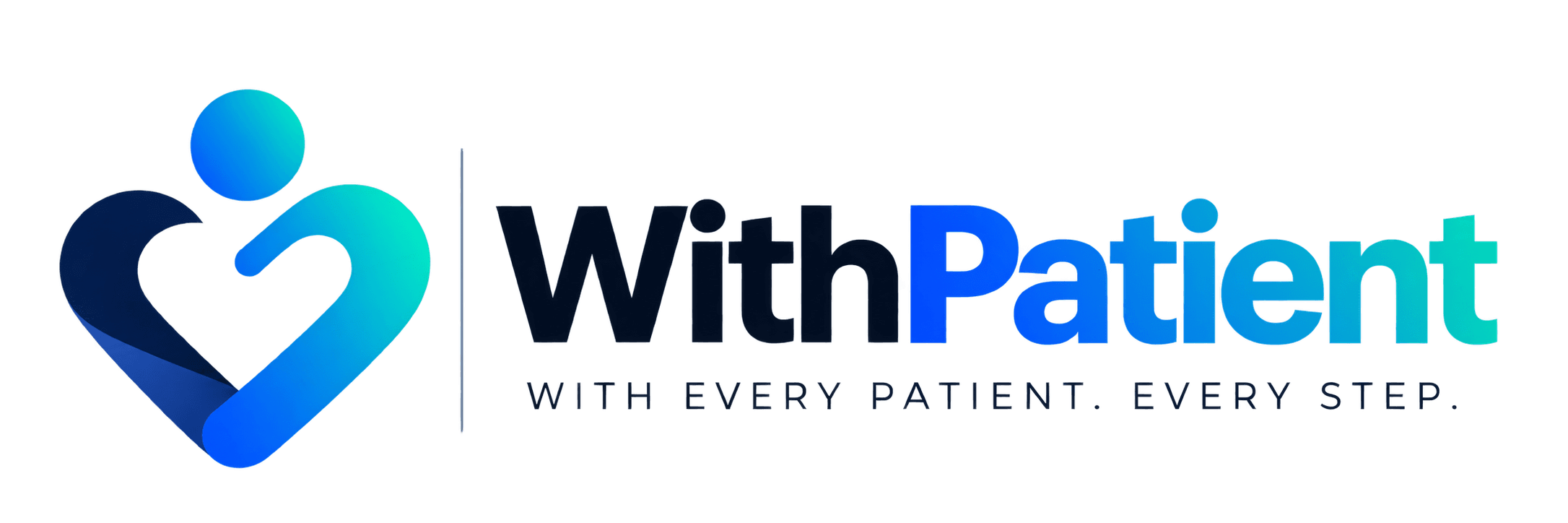
For medical tourism aftercare, reminders are useful when they direct patients to information they can act on. WithPatient supports in-app notifications and configured push notifications. A reminder can bring attention back to the patient journey, a scheduled follow-up or available guidance, instead of leaving patients to remember every detail from their clinic visit.
Delivery depends on the clinic’s setup, compatible devices, notification permission and connectivity. Patients should check their settings with the coordinator and know how to open the care page themselves. Medical tourism aftercare must remain accessible even when someone dismisses a notification. A phone alert is a prompt to consult the plan, not a substitute for clinical instructions.
The most helpful wording is brief and discreet: open your portal to review the next step. Detailed health information belongs inside the patient experience. Clinics should agree the reminder content and timing during setup, including how changes to appointments or treatment stages affect the messages patients receive.
Hair transplantation needs its own recovery content
Hair transplant patients need the guidance supplied by their treating team, rather than generic advice copied from another procedure. The NHS hair transplant overview explains that the surgeon provides instructions for caring for transplanted hair. Medical tourism aftercare should make those personalised instructions easy to revisit without presenting a universal recovery timetable.
For a hair restoration clinic, WithPatient’s patient journey can be adapted around approved content, coordinator communication and planned follow-up. The current public demonstration follows a dental journey; hair transplant protocols require dedicated configuration and clinical review. That distinction keeps medical tourism aftercare relevant to the treatment actually performed, rather than assuming every patient needs the same information.
Cosmetic surgery: clarity without unrealistic promises
Cosmetic surgery patients may have several questions about their clinic’s instructions, planned reviews and arrangements after returning home. A digital portal can organise these details, but it cannot decide whether somebody is recovering normally. Medical tourism aftercare should clearly identify the treating team and the route for questions that need individual assessment.
WithPatient is designed to support the surrounding service experience: information, documents, communication and configured reminders. Clinics offering aesthetic procedures must prepare appropriate content before launch. The application does not guarantee healing, prevent every complication or replace an examination. Its practical value is helping patients understand where to find information and whom to contact.
Keep records available after returning home
The CDC’s medical tourism guidance recommends obtaining medical records to support continuity of care. In medical tourism aftercare, accessible treatment information helps patients communicate what was done when another professional needs to review their situation. Ask the clinic which records will be provided and how to obtain a copy.
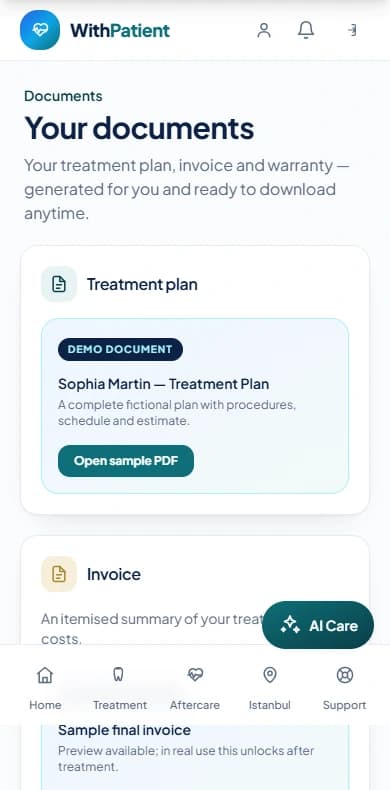
WithPatient can present the documents the clinic shares, including treatment plans and relevant records. Its dental workflow also supports uploading an existing X-ray for the treating dentist to review. This is a specific follow-up feature, not an automatic diagnosis or a universal imaging service for every cosmetic procedure.
AI assistance with a clear human route
AI-supported guidance can help patients navigate information, while medical decisions remain with clinicians. Good medical tourism aftercare makes the coordinator and treating team easy to reach alongside digital assistance. Patients should understand that an AI response is not confirmation that a symptom is harmless, nor permission to change prescribed care.
Do not wait for a portal reply if you believe you need urgent medical attention. Contact appropriate local medical services and inform the treating clinic. For routine questions, use the agreed contact route and include the relevant context requested by the team. The app supports communication, while response arrangements depend on the clinic.
What the clinic team sees
Medical tourism aftercare also needs coordination behind the scenes. WithPatient’s management workspace can bring patient feedback and matters requiring follow-up into view. Concerns can be routed to the responsible manager and coordinator through the configured workflow. CRM integration helps connect the patient experience with the systems the clinic already uses.
Zoho and Bitrix24 integrations are supported, while connections to other CRMs depend on their APIs, access and agreed scope. See the clinic setup guide. Clear responsibilities matter more than a long feature list: who reads a concern, who follows up and who confirms that the patient’s question has been addressed?
A simple example: from Istanbul to home
Imagine a patient arriving in Istanbul with transfer details and hotel information already available. During treatment, they consult their appointments and documents. At home, they reopen their clinic’s guidance and follow-up information. Medical tourism aftercare stays connected to the same journey instead of becoming a separate collection of screenshots and messages.
This example illustrates coordination, not a guaranteed clinical outcome. The treatment team still sets the plan. Patients still need appropriate professional assessment when concerns arise. WithPatient brings the practical pieces together so patients can spend less effort searching and more attention understanding the instructions provided for them.
Make the first login part of discharge
A practical medical tourism aftercare handover includes opening the portal together before the patient leaves. Ask them to find their care page, locate their coordinator and check their next review. Let them explain the steps back in their own words. This reveals unclear wording and access problems while someone is available to help. For the earlier travel stages, read our guide to medical tourism in Turkey. A short, calm walkthrough can make the digital service feel familiar before the patient needs it independently during the days after returning home.
Frequently asked questions
Does the app cover every patient need?
It brings many practical needs together, including travel details, records, guidance and contact with the clinic. Medical tourism aftercare still requires qualified professionals, appropriate examinations and arrangements outside the app. Available features depend on the clinic’s configuration and the patient’s treatment.
Will care instructions arrive as notifications?
Configured reminders can direct patients to relevant guidance in the portal. Medical tourism aftercare notifications depend on enabled services, device support and permission. Patients should also open their care information directly and follow the written instructions supplied by their clinician.
Can hair transplant and cosmetic clinics use it?
The patient experience can be configured for those services, with suitable content and workflows. Medical tourism aftercare for hair transplantation or aesthetic surgery needs procedure-specific preparation. The dental demonstration should not be mistaken for an already completed protocol for every operation.
Can patients contact the clinic from abroad?
Patients can use the contact routes and information provided by their clinic after returning home. Medical tourism aftercare arrangements should specify availability, expected response times and emergency alternatives. Internet access and the clinic’s active service are still necessary for connected features.
Do reminders replace follow-up appointments?
No. Reminders support organisation; they do not replace the reviews requested by a treating professional. Medical tourism aftercare may involve remote communication and in-person assessment. The responsible clinician decides what is appropriate for the individual patient and procedure.
How can a clinic explore the application?
Open the patient demonstration, then discuss your treatment categories, languages and CRM with WithPatient. Medical tourism aftercare should be configured around your team’s actual workflow. Use fictional information when exploring the public demo, which is separate from real patient accounts.
Build a more connected follow-up experience
Bring travel, treatment and recovery information into a patient experience your team can explain clearly. Request a WithPatient demonstration to review your clinic’s needs, care content and notification setup. Start with a defined journey, agree responsibilities and test the experience before inviting patients.